
Expertise from the pharmaceutical industry and structural change
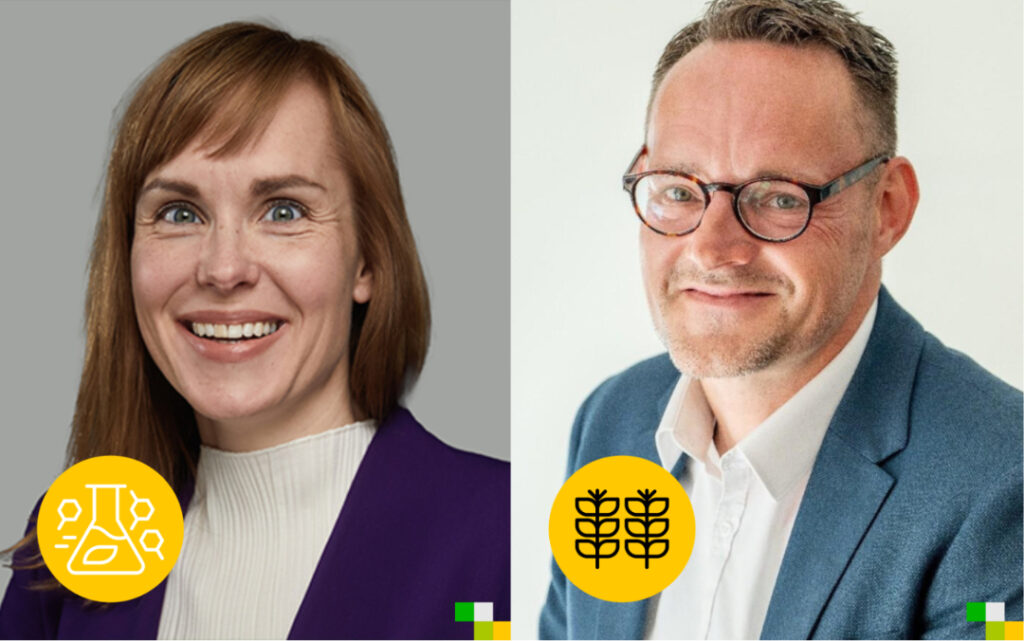
Grit Müller is Managing Director of Salutas Pharma GmbH (Hexal / Sandoz) in Barleben, Germany’s largest generics plant. With 1,400 employees at the Barleben and Osterweddingen sites, the company is one of the most modern pharmaceutical production centers in Europe. As a member of the board of the VCI Nordost and spokesperson for the Life Science Saxony-Anhalt cluster, Müller brings extensive experience in the pharmaceutical industry and regional location development.
Tino Haring is Managing Director of Kreisentwicklungsgesellschaft Saalekreis mbH (KEG), where he is responsible, among other things, for the development of the Merseburg-Süd Chemical Park – a 200-million-euro project that is mainly financed by the Coal Regions Investment Act. His expertise in structural change management and the transformation of the post-coal region makes him an important driving force for DiP.
Strategic support for the bioeconomy transformation
The DiP Advisory Board consists of nine external experts from business, science and society and provides the consortium with valuable impetus for strategic development. As a source of ideas and topics, the committee accompanies the digitalisation of plant value chains in Saxony-Anhalt with independent expertise.
“We congratulate Grit Müller and Tino Haring on their new tasks and look forward to working closely together,” said the DiP spokespersons. “With their expertise in pharmaceutical production and structural change, both bring exactly the perspectives that DiP needs for the successful transformation of the region.”