
“DiP can become an innovation driver for the bioeconomy”
Grit Müller, a proven industry expert, will take on a leading role on the advisory board of the structural change project DiP – Digitization of Plant Value Chains. As Managing Director of Salutas Pharma GmbH, she brings many years of experience in strategic site development and industrial value creation.
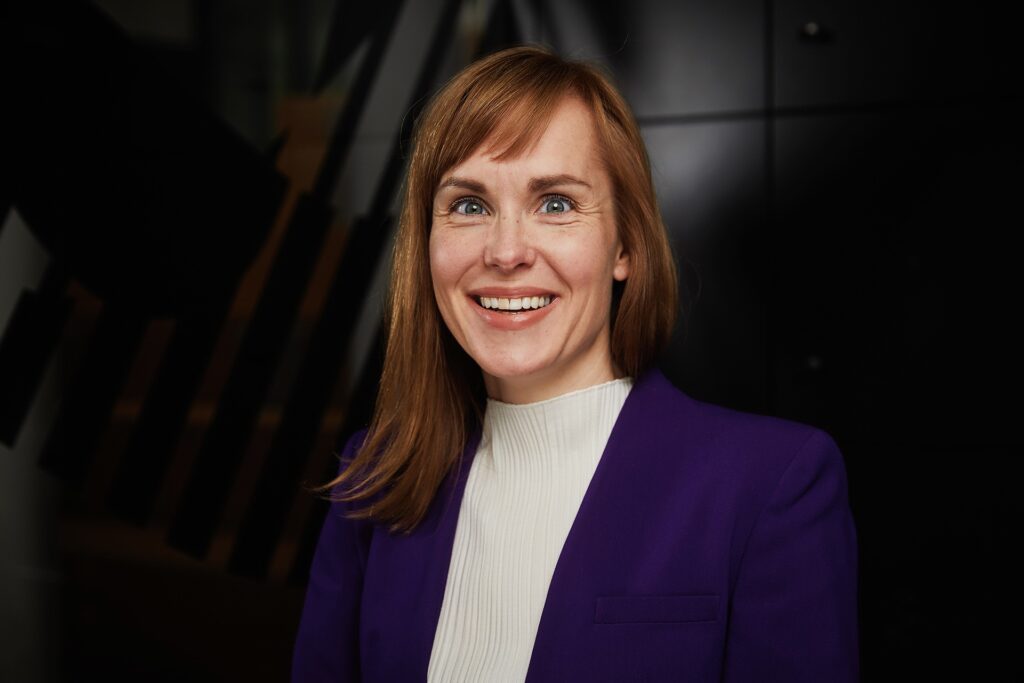
DiP: Ms. Müller, what opportunities do you see for DiP in structural change?
Grit Müller: “The diversity of the 19 projects in the DiP is impressive. It ranges from pure digitalisation approaches that can fundamentally improve agriculture – for example in dealing with climatic changes – to research projects with the potential for new products “Made in Saxony-Anhalt”. This can give rise to new business models, increase the competitiveness of regional companies and create jobs in the long term. It is crucial to think of the projects in a networked way – and to consistently pay attention to the business case so that actual value creation is created.”
What strategic priorities would you like to set in the Advisory Board?
“Measurable results are essential, especially for a structurally weaker region. Research is important and has a lot of potential for its development, but in the end, good ideas must also become jobs. This is why strong partnerships with economic actors and an intensive transfer of knowledge between science and practice are needed. Only when project results are transferred into marketable applications will sustainable economic and social added value be created.”
What contribution can DiP make to the resilience of regional value creation?
“By sharing know-how, technologies and best practices, we can jointly develop robust and adaptable value chains that are up to the challenges of the future. Where supply chains are fragile and subject to geopolitical challenges, regional solutions can close vulnerabilities. The integration of digital solutions also increases efficiency and transparency and thus strengthens the competitiveness of the players involved.”