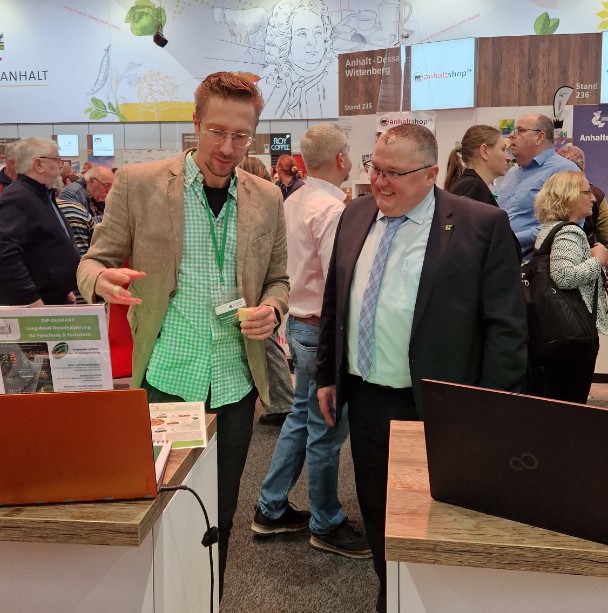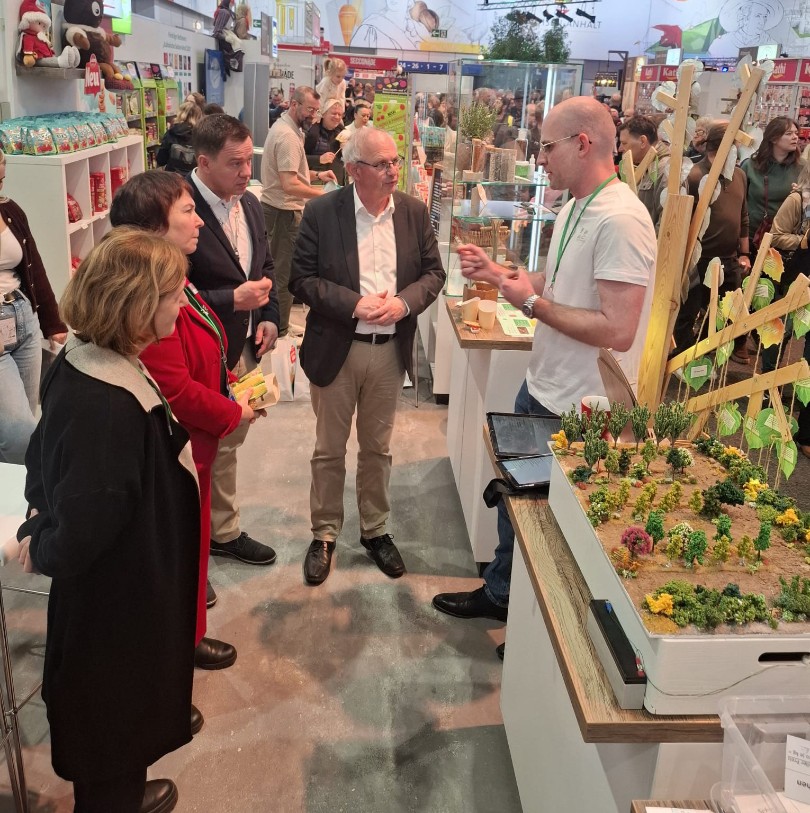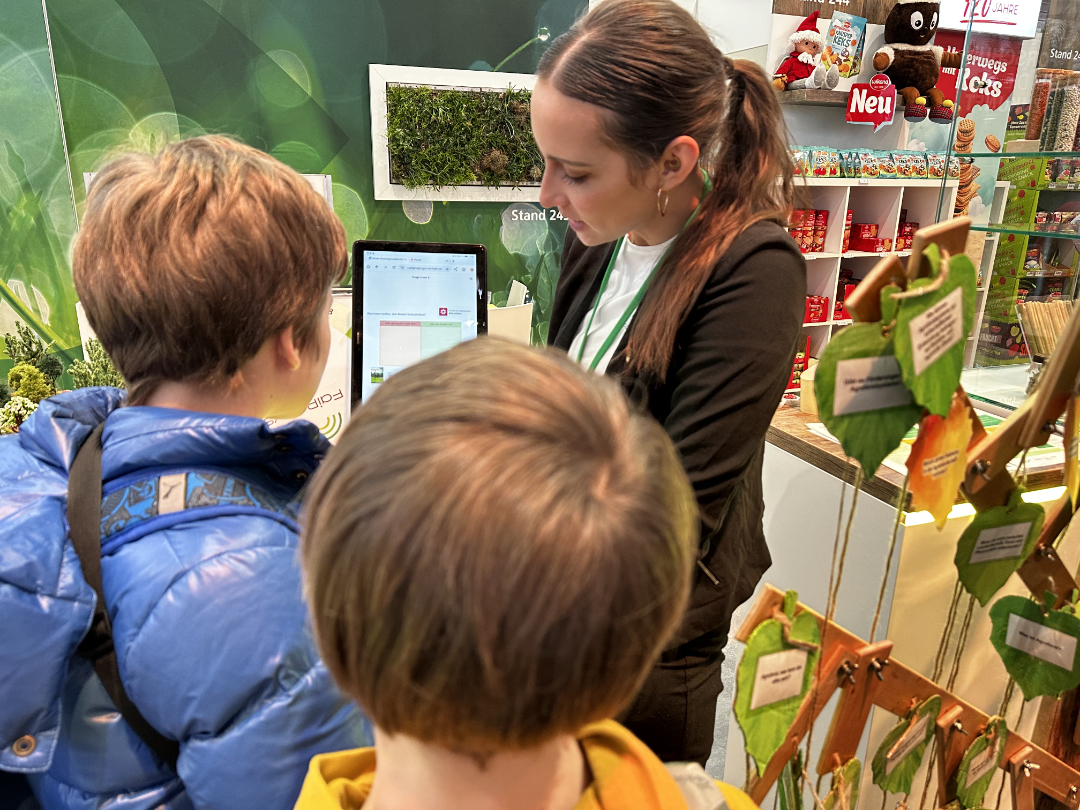
The ten-day presence of the model region DiP Saxony-Anhalt at the International Green Week in Berlin was a complete success: high-ranking political visits, intensive expert discussions and great public interest characterised the trade fair appearance from 16 to 25 January 2026.
Politicians honour DiP research
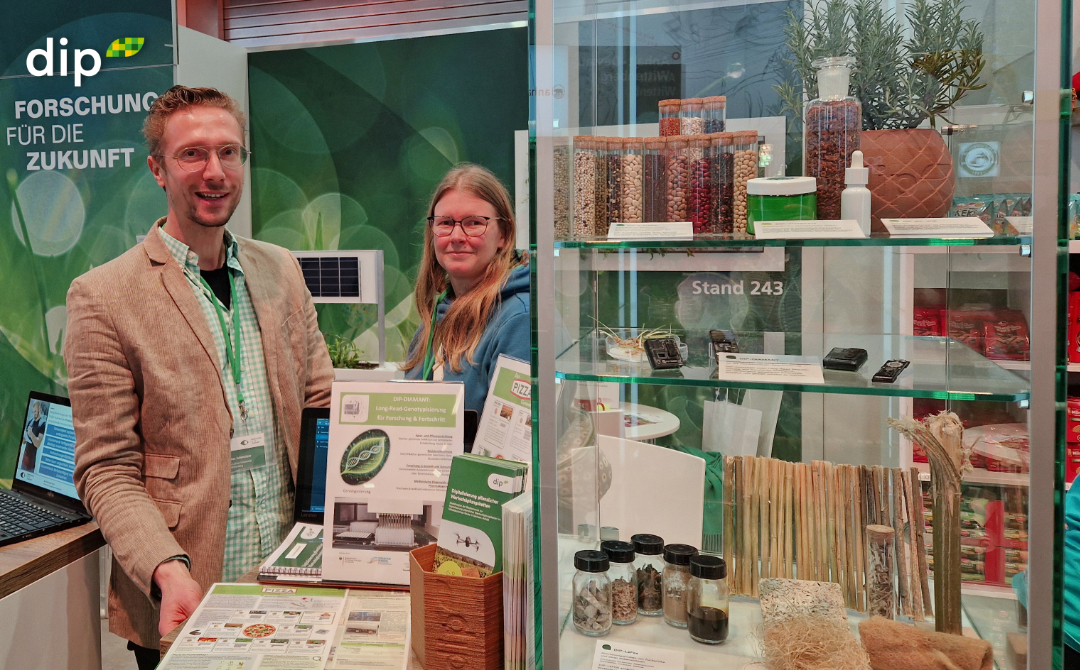
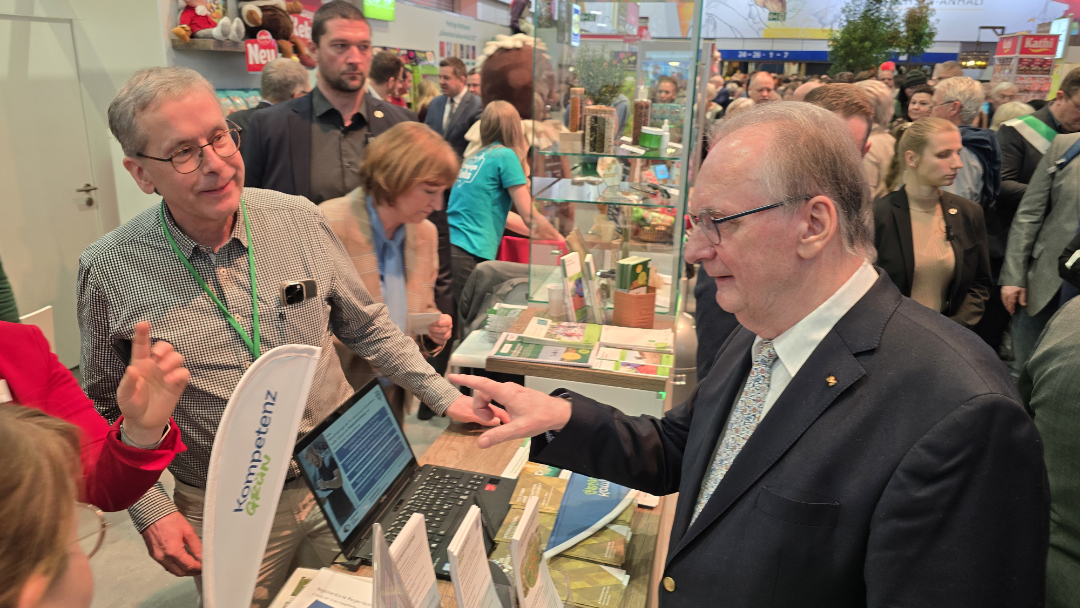
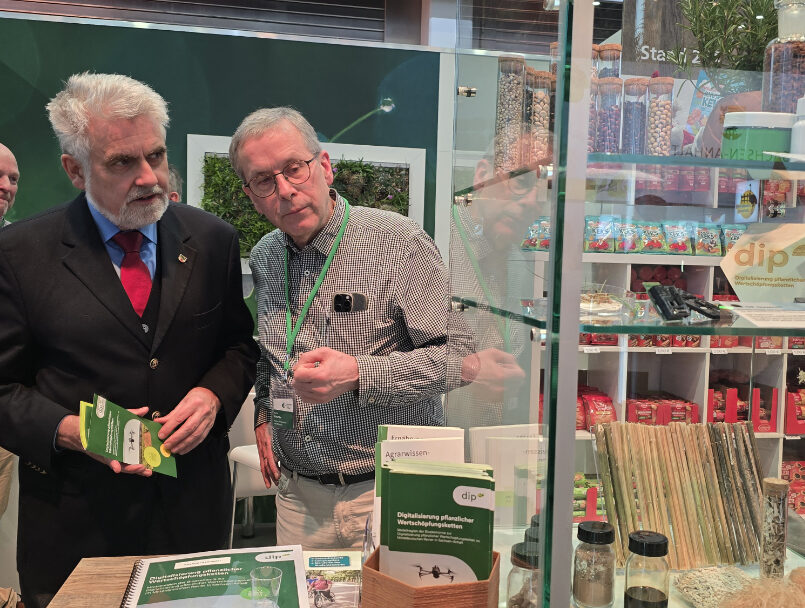
The high-calibre political response showed the strategic importance of DiP research for the region: At the joint stand of the universities of Saxony-Anhalt (Hall 23b, Stand 243), DiP spokesperson Prof. Dr. Klaus Pillen and selected DiP joint projects provided information about the diverse research projects on the digitalisation of plant value chains in the structural change of the Central German mining area.
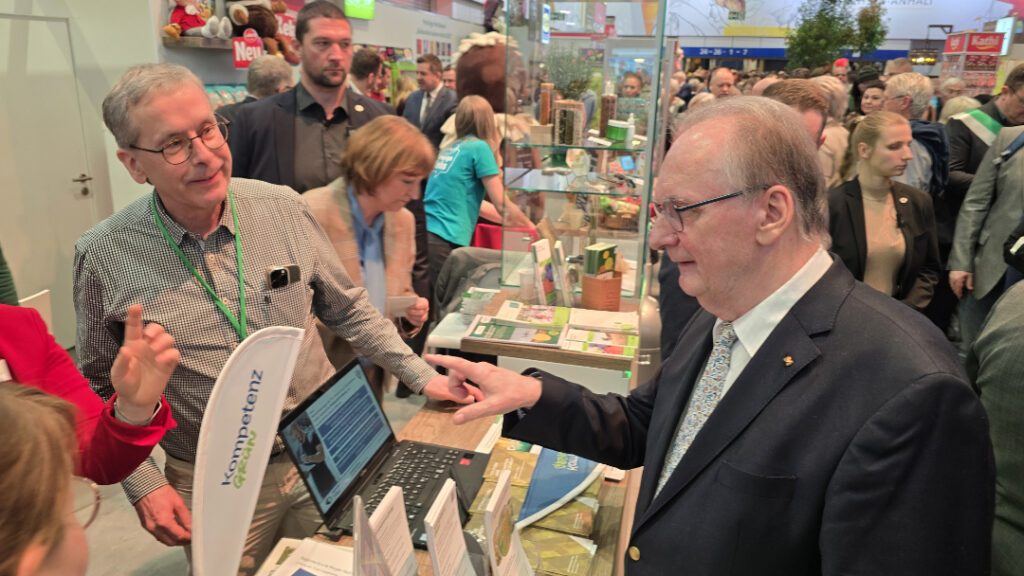
Saxony-Anhalt Day on 20 January: Minister-President Dr. Reiner Haseloff, Minister of Agriculture Sven Schulze and Minister of Science Prof. Dr. Armin Willingmann jointly informed themselves about the progress of the model region. The three top representatives of the state were impressed by the variety of solutions presented – from AI-supported plant breeding to climate-resilient cultivation systems and biotechnological innovations.
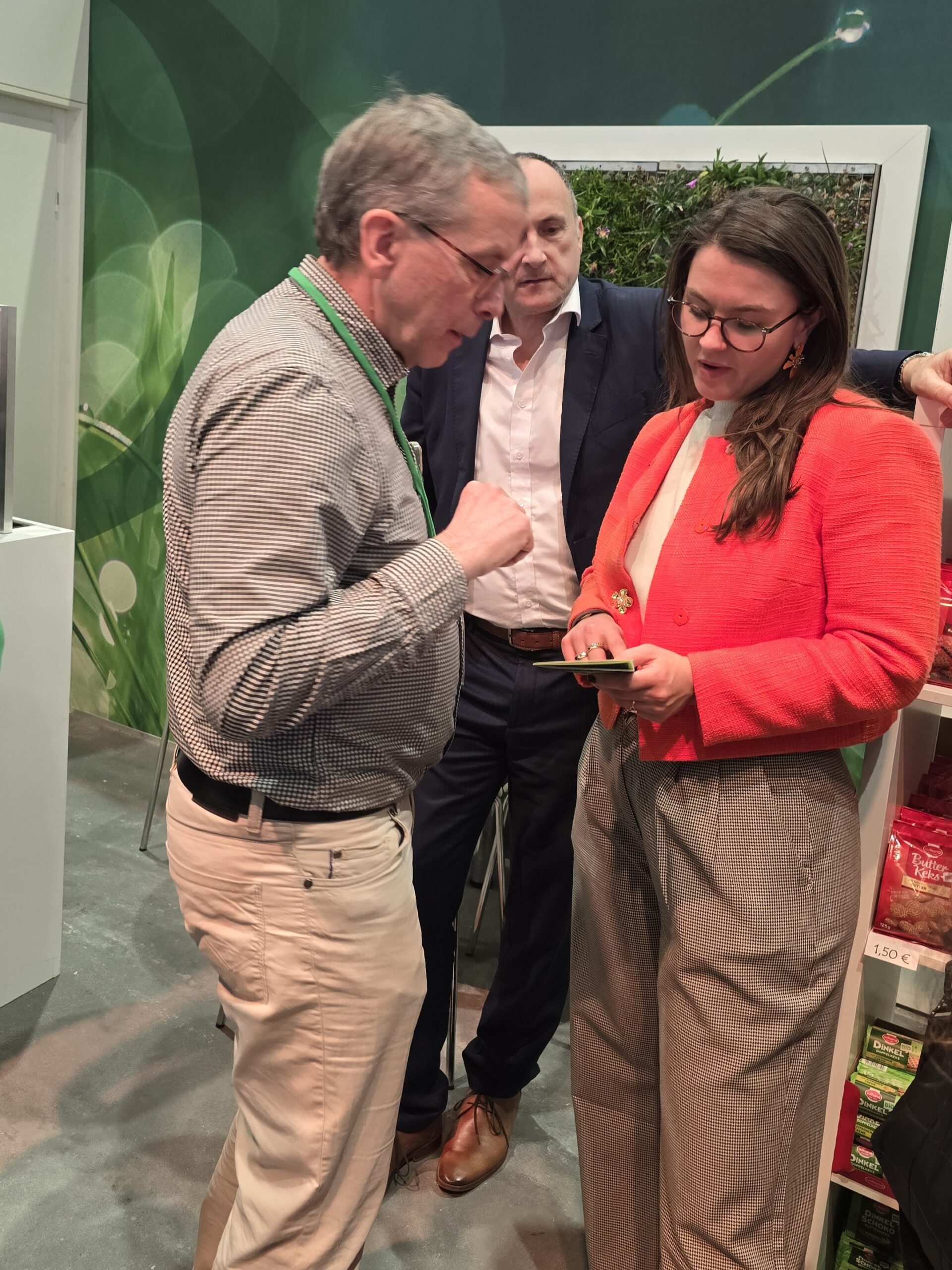
Member of the Bundestag Anna Aeikens took the opportunity for an intensive exchange on the concrete implementation of the research results in agricultural practice in the region.
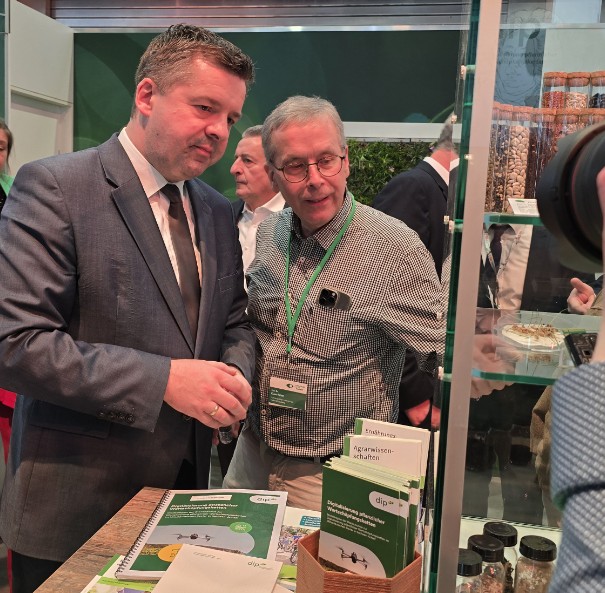
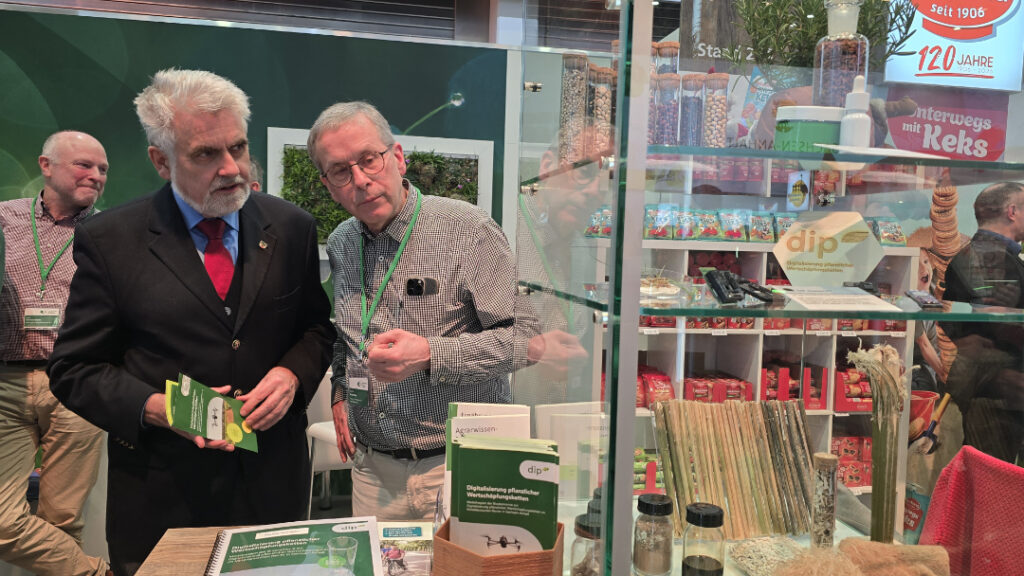
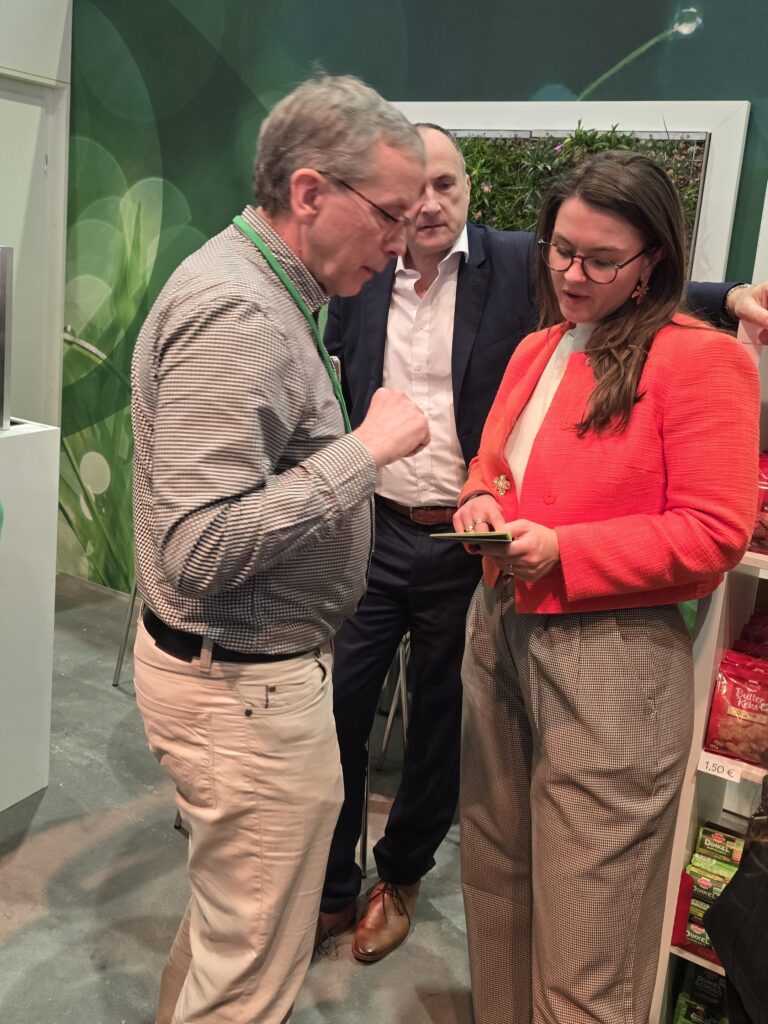
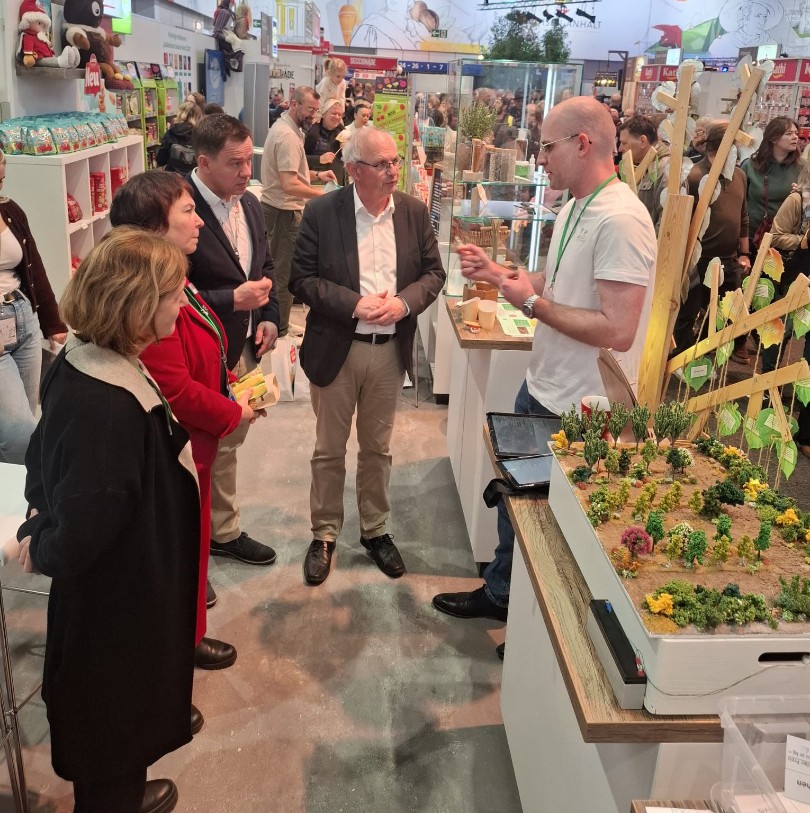
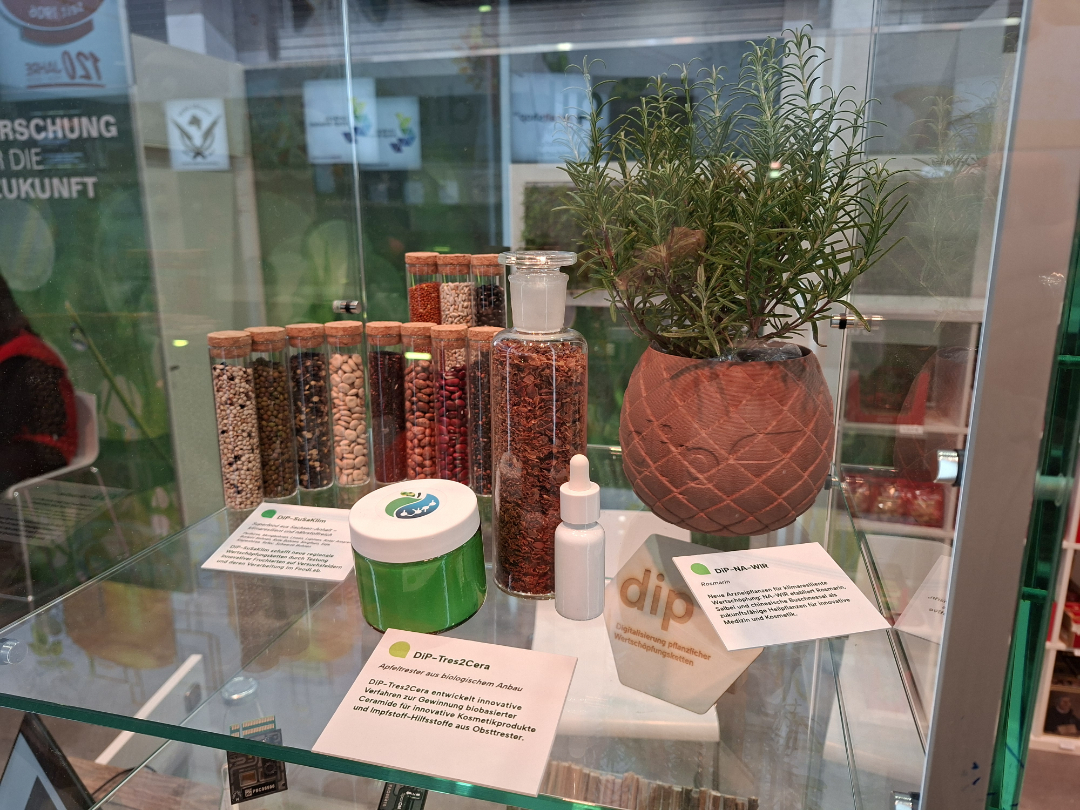
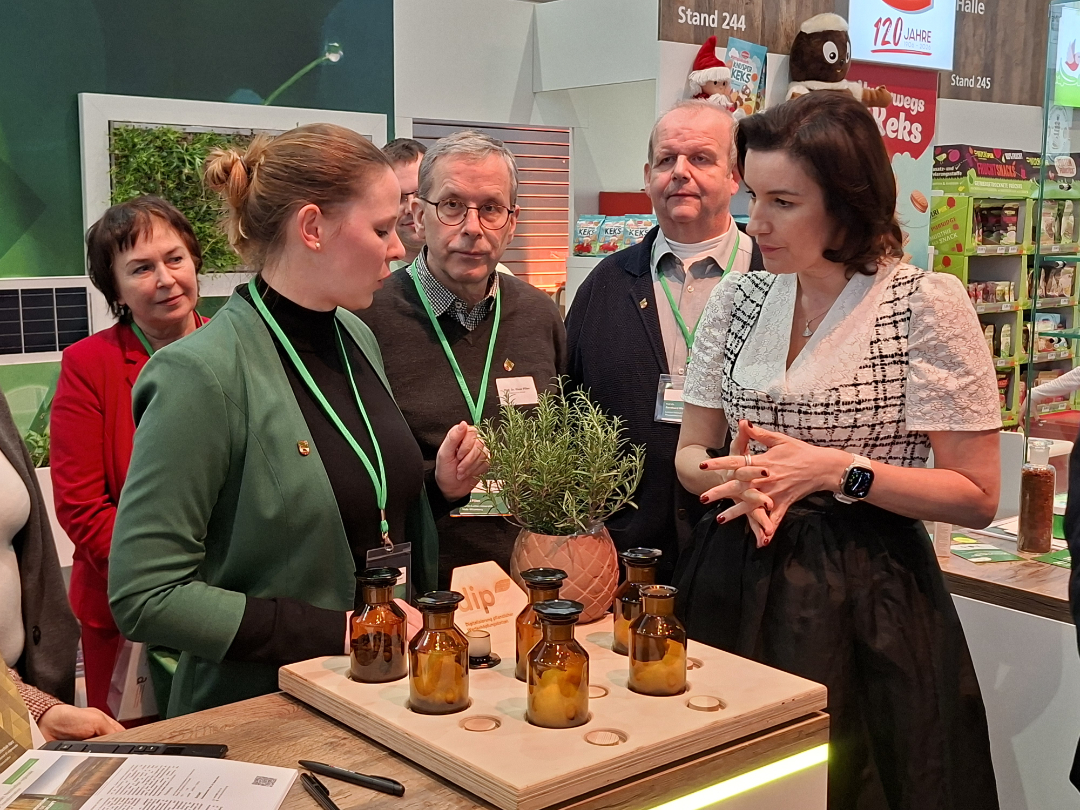
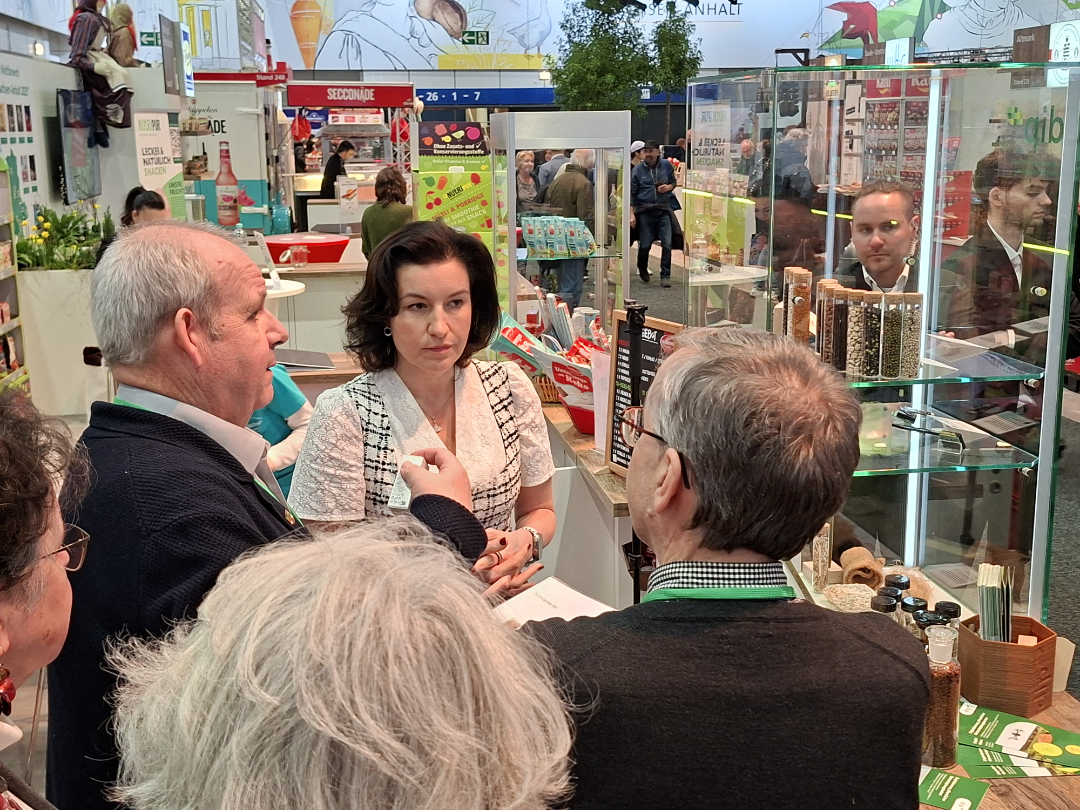
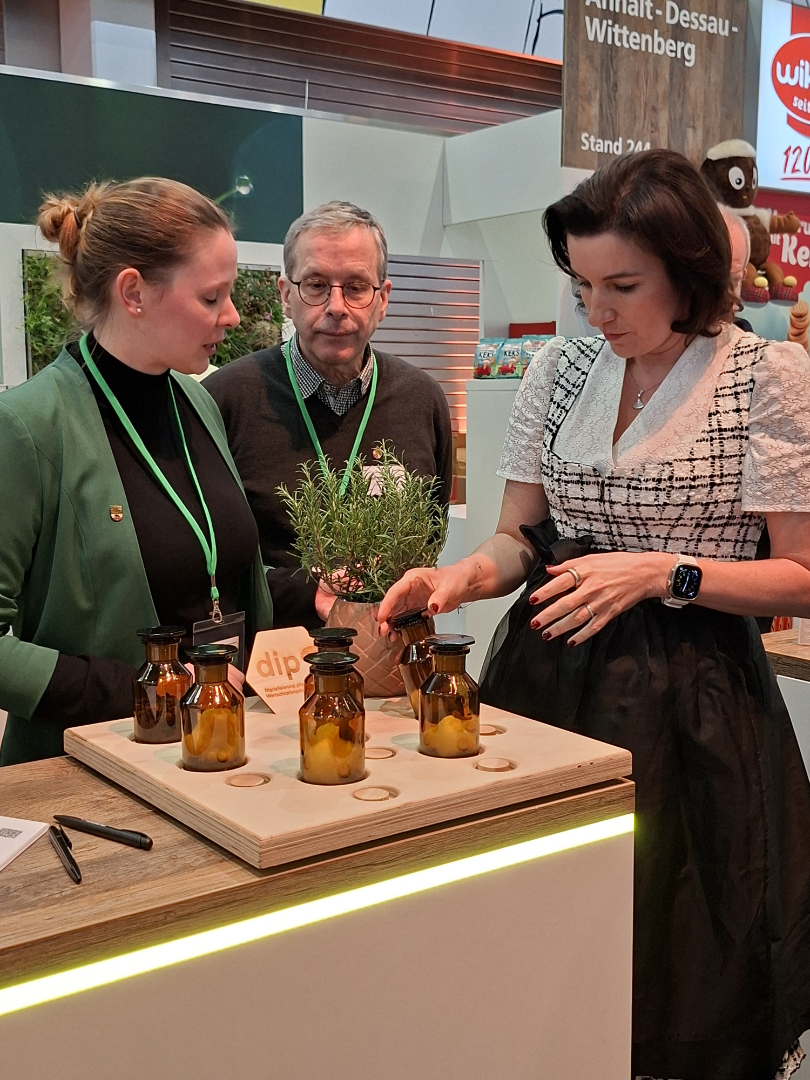
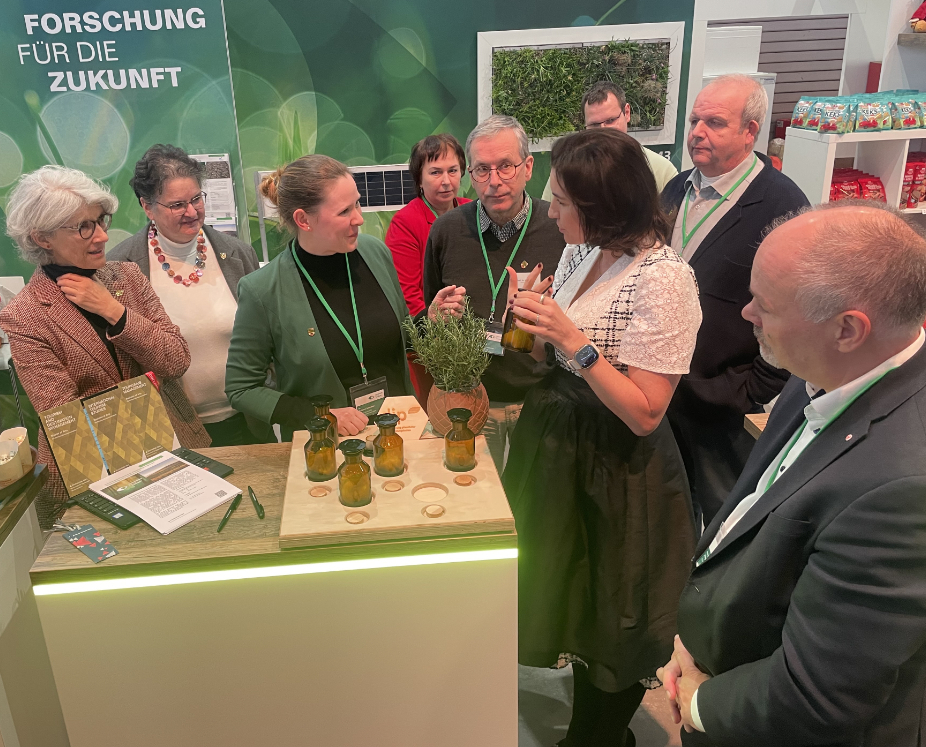
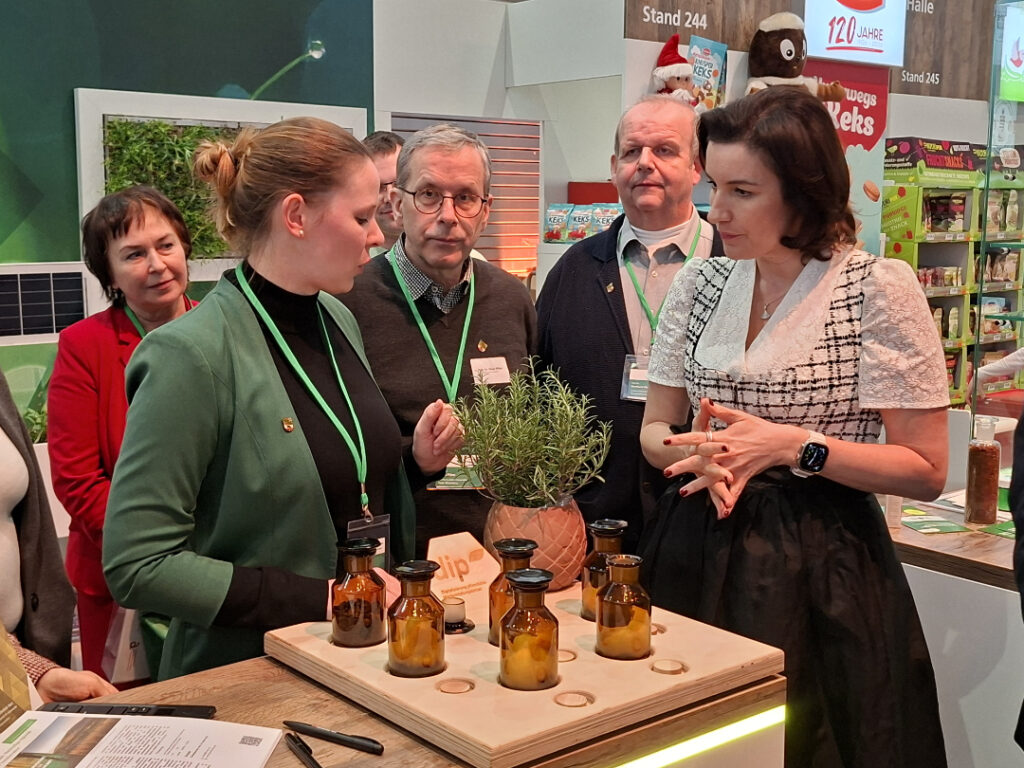
Federal Minister of Education and Research Dorothee Bär was welcomed at the DiP stand by the heads of the DiP partner universities: MLU Rector Prof. Dr. Claudia Becker and University President Prof. Dr. Jörg Bagdahn (Anhalt University of Applied Sciences). She learned about the diverse R&D approaches in the DiP joint projects. Particular interest was shown in the projects from the lighthouse “New Value Chains of Specialty Crops”: DiP-Tres2Cera showed how high-quality ceramides for skin protection products and vaccine adjuvants are obtained from apple pomace. DiP-NA-WIR presented the cultivation of climate-resilient medicinal plants such as rosemary, sage and Chinese bush nettle as well as their processing through AI-supported processes and biotechnological refinement.
Experience research up close
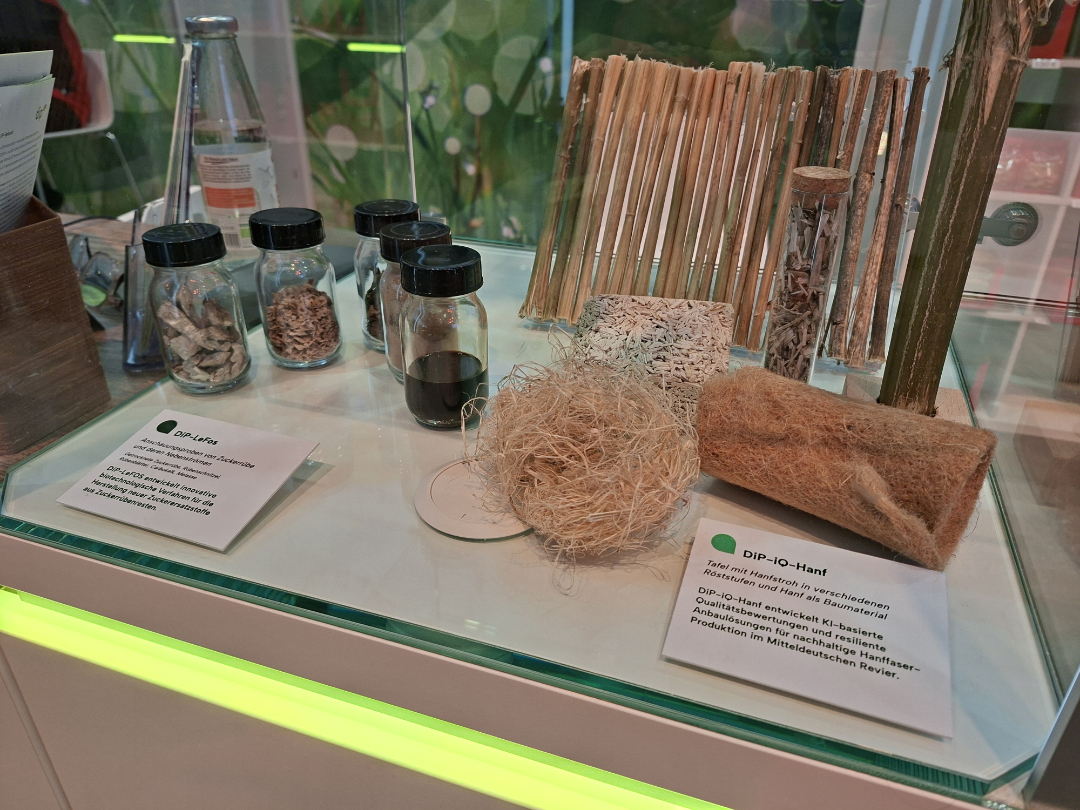
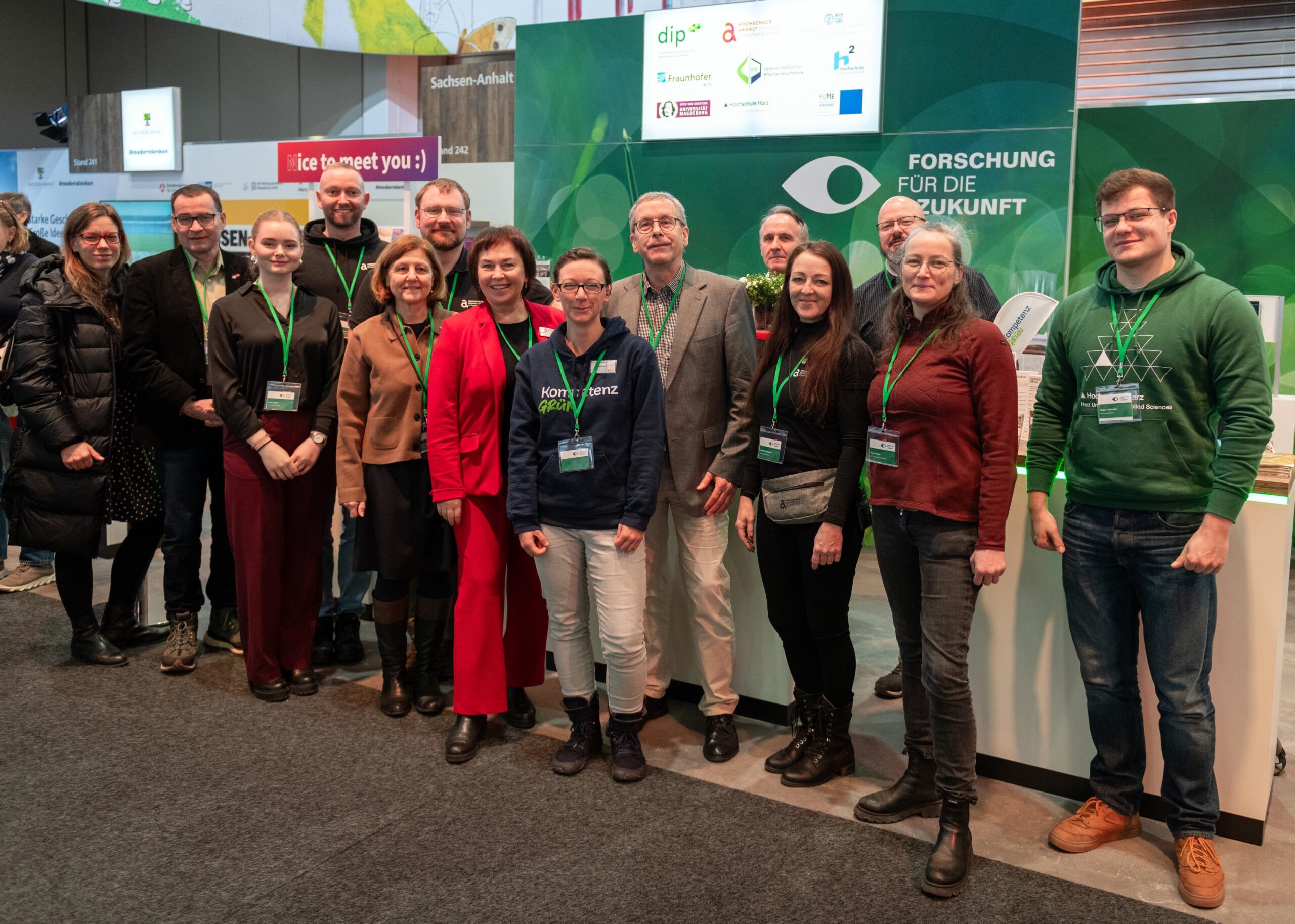
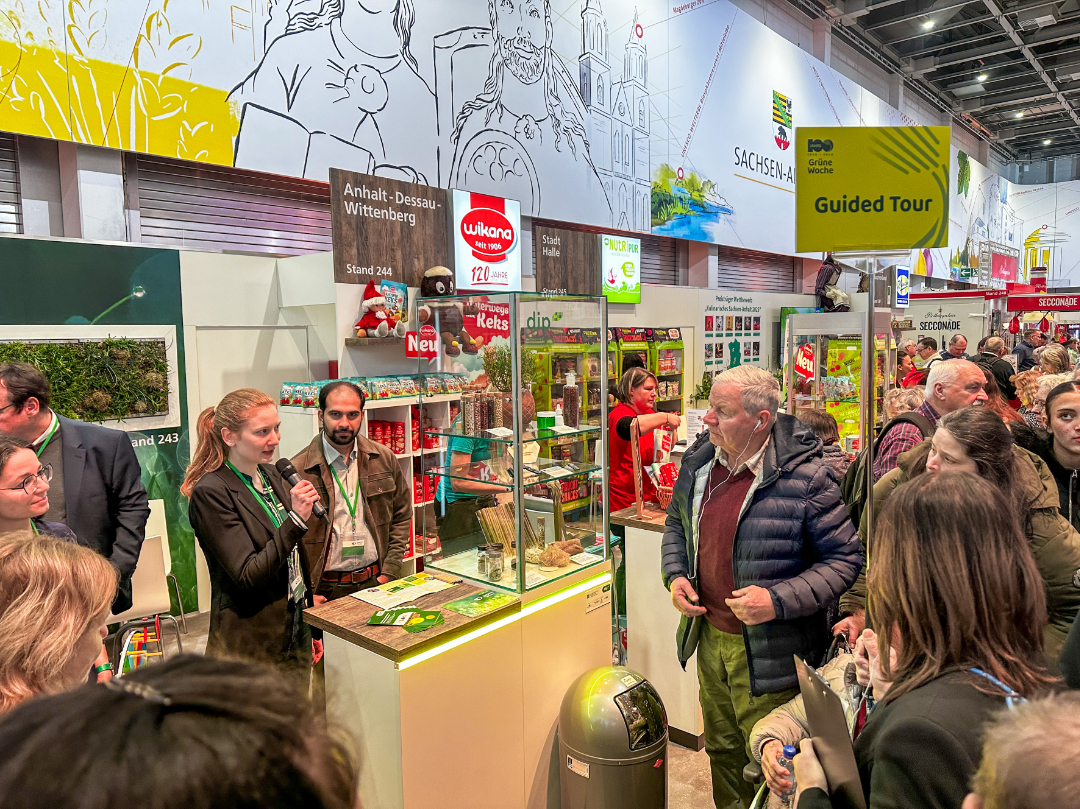
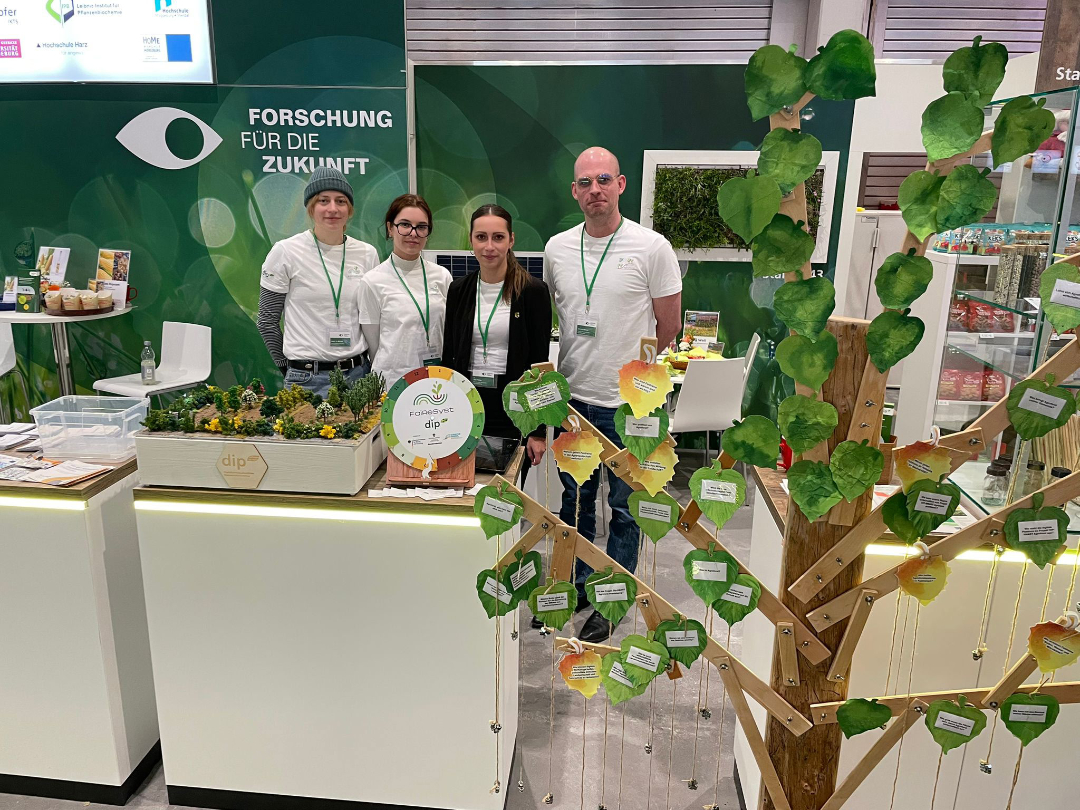
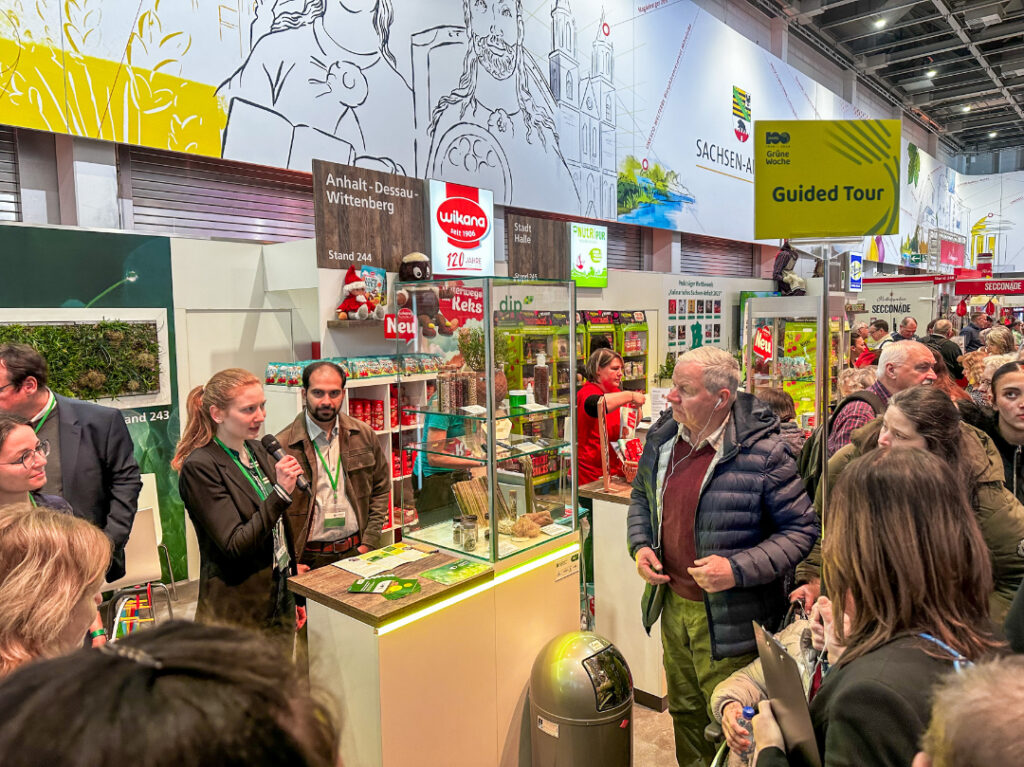
On various theme days, the DiP team presented the range of bioeconomy research – vividly, practically and understandably for all visitor groups. The response during the barrier-free tour at the “Research for the Future” booth, where the DiP projects and research approaches for the development of sustainable value creation paths could be presented to a broad audience, was particularly gratifying.
The valuable exchange with numerous visitors from practice, science and the public showed the great interest in sustainable and evidence-based solutions. The consistently pleasant discussions and the open-minded atmosphere confirmed that research is particularly effective when it does not take place in isolation, but includes different perspectives in order to develop viable and practice-relevant solutions for the region.
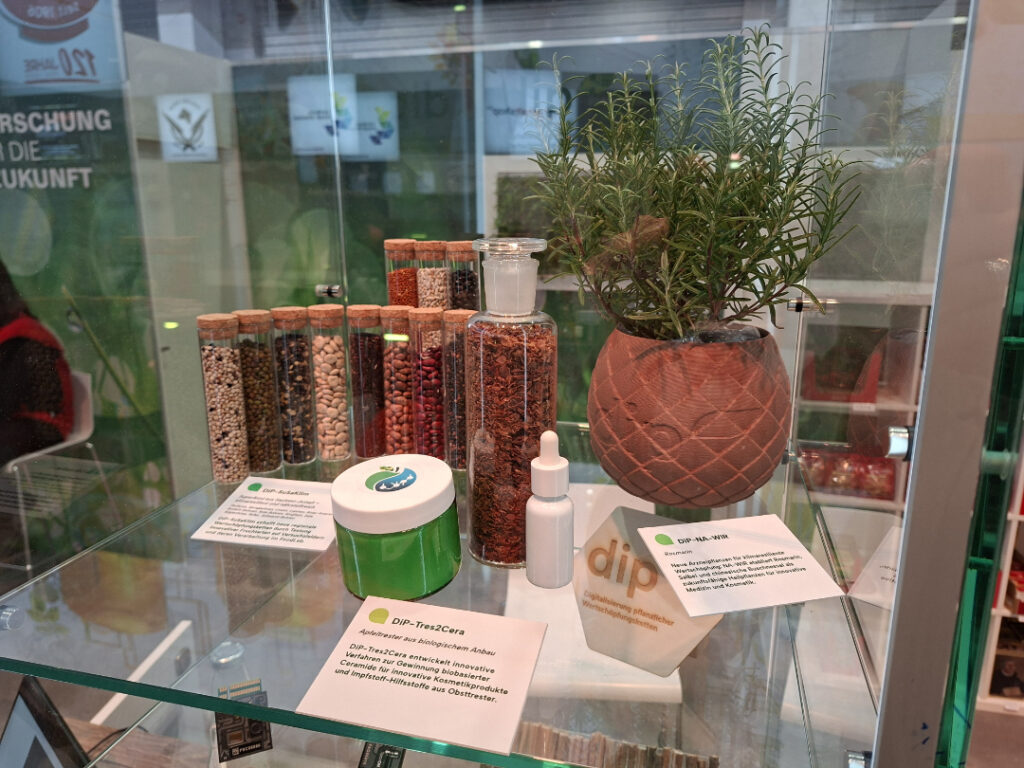
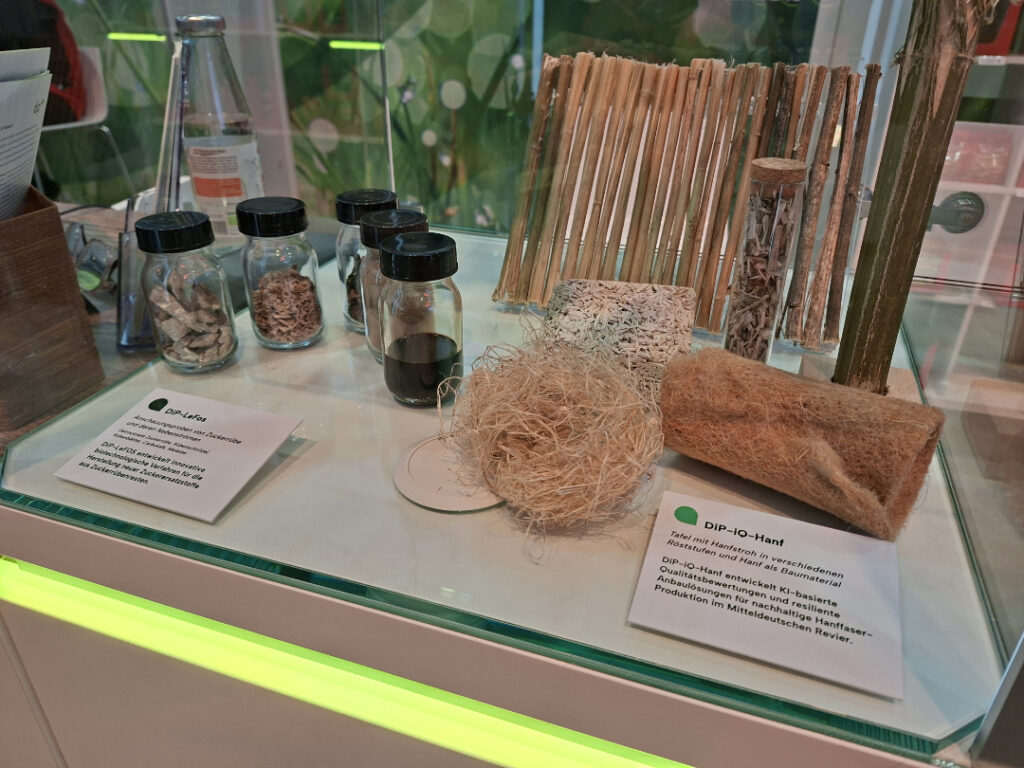
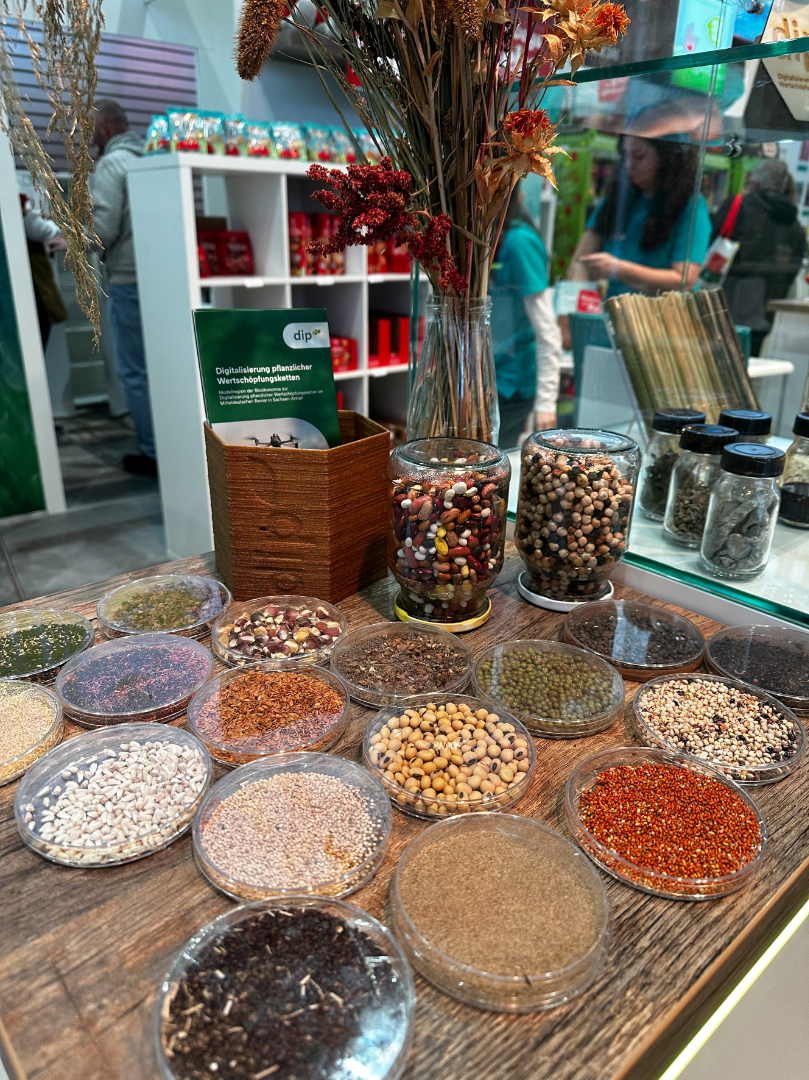
Superfood from Saxony-Anhalt (22 January): DiP-SuSaKlim delighted visitors with climate-adapted “superfoods” such as chickpeas and amaranth. The experimental fields of MLU Merbitz are monitored with state-of-the-art digital field sensors – the findings flow directly into organic farms and flow into new regional products in the FoodLab.
Climate-resilient agricultural systems (23 January, Agriculture Day): DiP-SMART Agroforestry impressively demonstrated how agroforestry systems combine climate protection with economic perspectives and at the same time provide bio-based raw materials for the chemical industry. DiP-FaiReSyst used the model to show how drones, LiDAR technology and AI models optimize the sustainable use of field margins for biodiversity and climate protection.
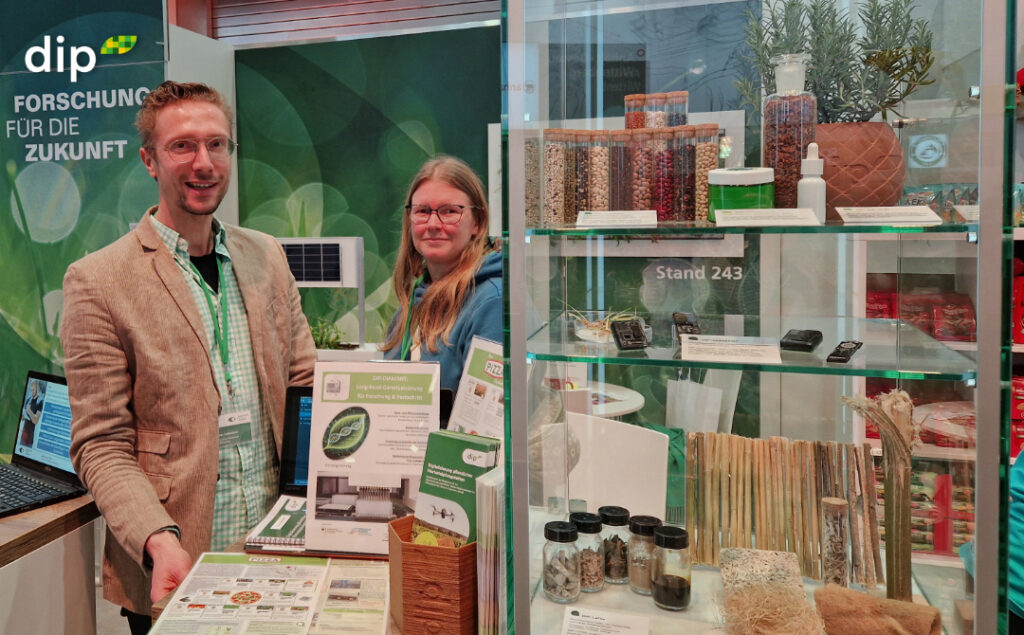
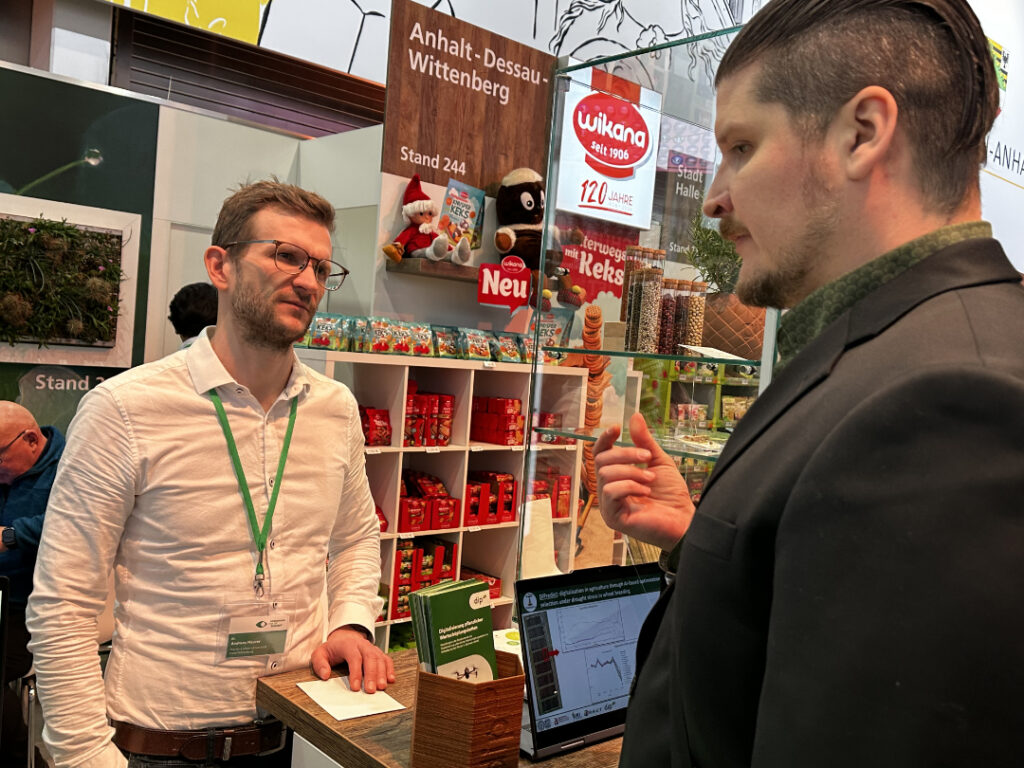
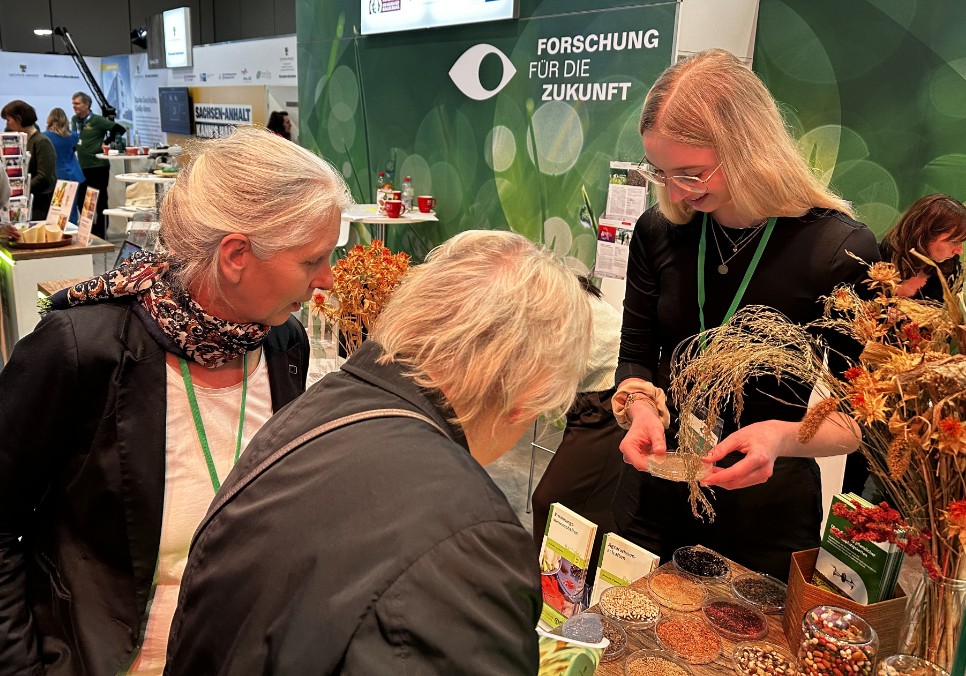
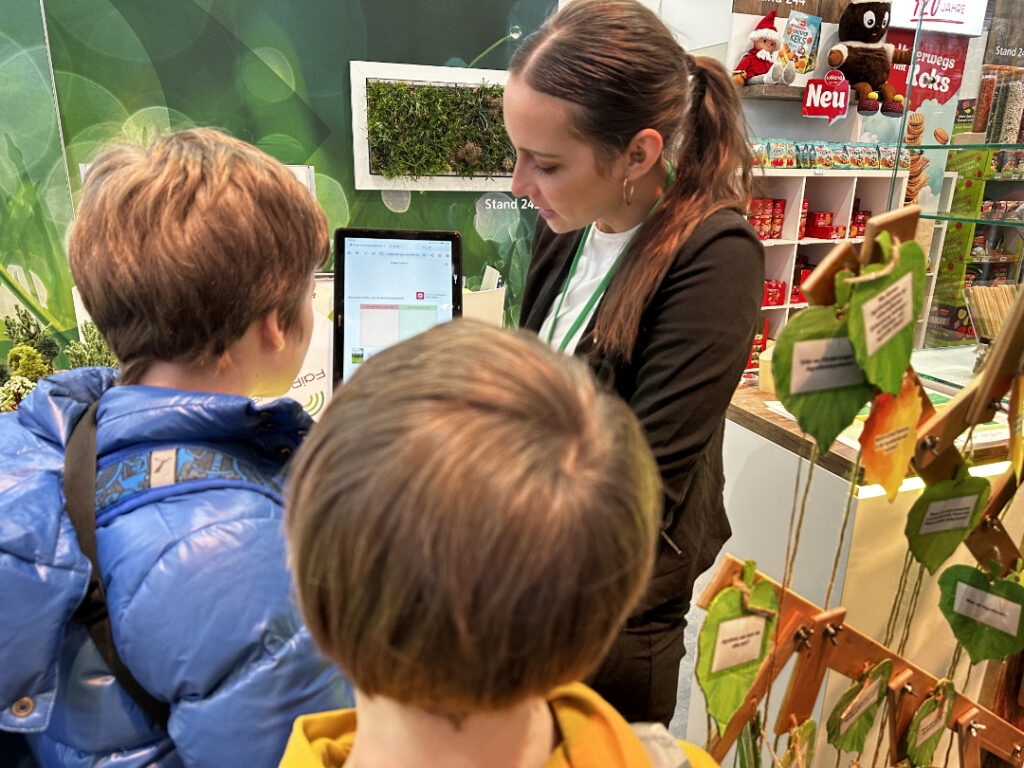
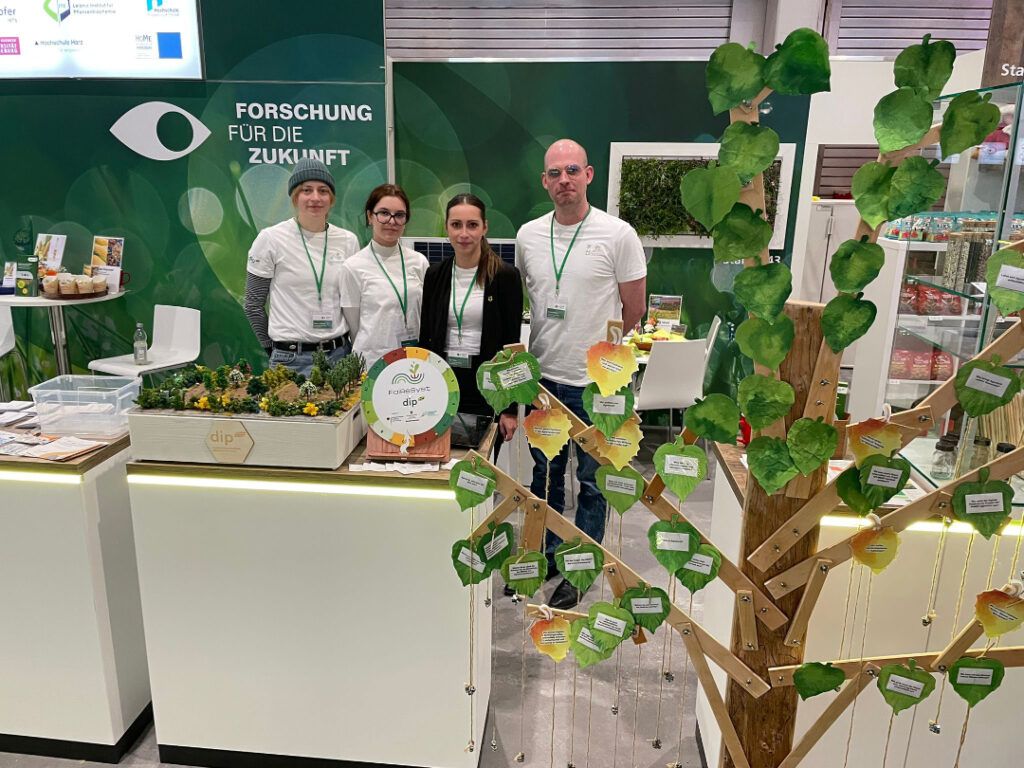
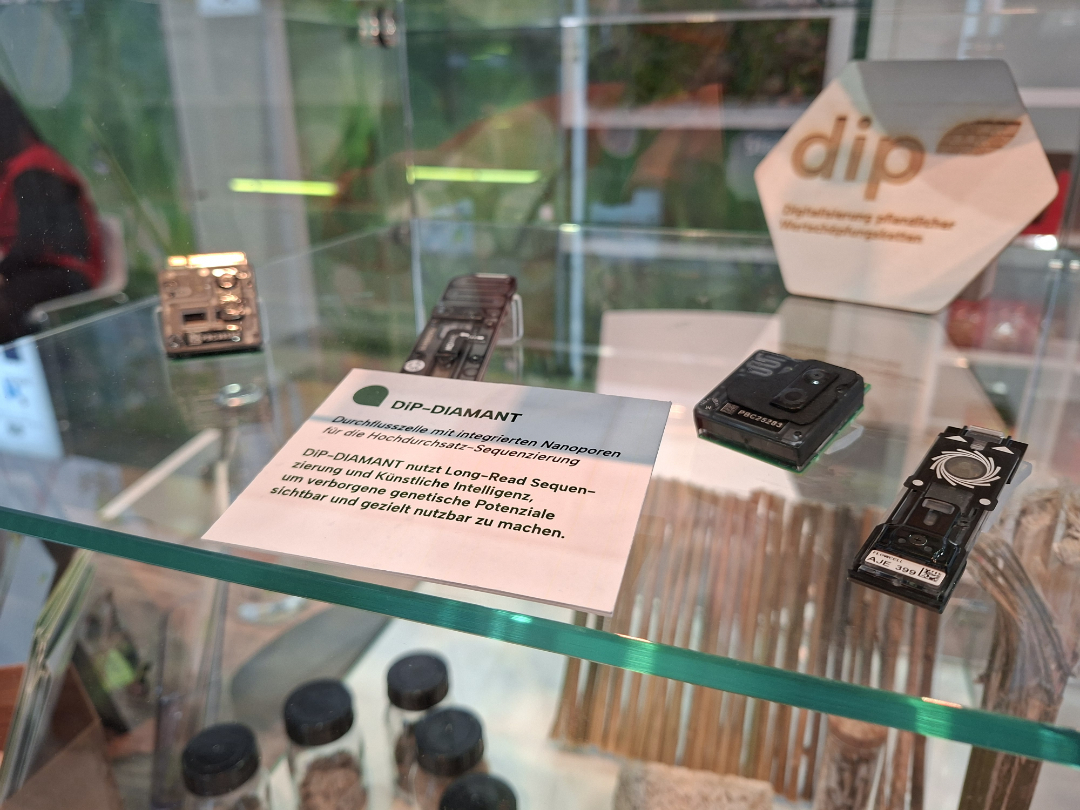
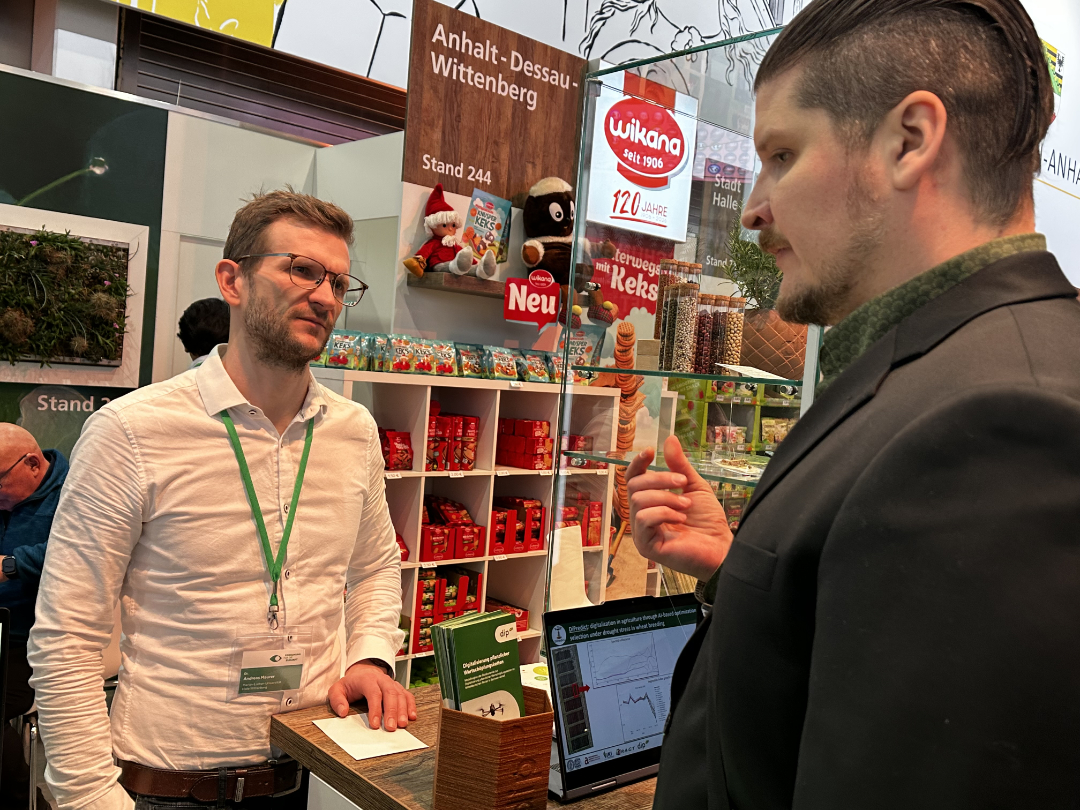
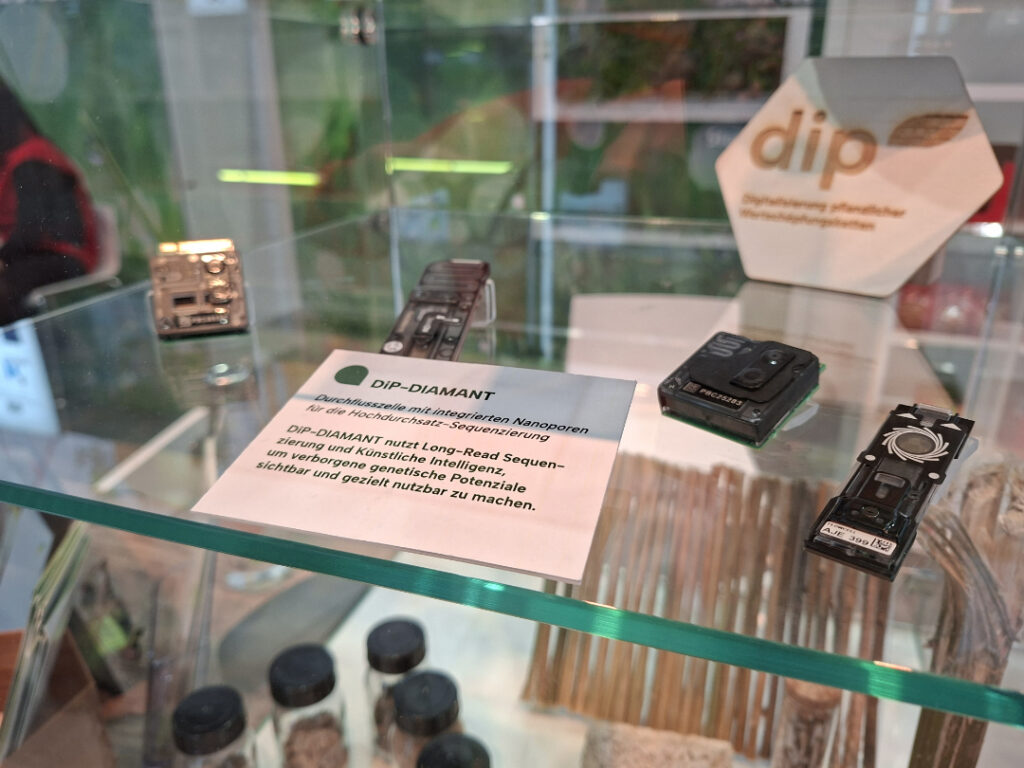
Precision genomics for the future: DiP-DIAMANT presented the digital platform for genome analysis that combines long-read sequencing with artificial intelligence. DiPredict complemented with high-throughput screening for drought stress-tolerant wheat – a direct response to the challenges in the Central German dryland.
The project-integrated accompanying research of Fraunhofer IKTS rounded off the picture: It analyzes the sustainability and economic viability of all DiP innovations through techno-economic and life cycle analyses – from the initial idea to market maturity.
Model region with charisma
The great interest shown by politicians, experts and the general public confirms that DiP research has its finger on the pulse of the times. The projects presented show in concrete terms how structural change in the Central German mining area can be actively shaped by bioeconomy. Traditional crop cultivation meets digital high technology, regional resources are refined into high-quality products, and green chemistry is gradually replacing fossil raw materials.
The high-level political visits are more than just attention – they signal support for the further steps in the development of the model region. With 19 research projects and around 50 partners from science, business and administration, DiP is actively shaping the sustainable transformation of the region.
Media coverage: Broad coverage of DiP at the Green Week
The presence of DiP Saxony-Anhalt at the Green Week 2026 met with a great response in regional and national media:
Mitteldeutsche Zeitung (MZ)
- Livestream of the Saxony-Anhalt Day with DiP presentation (from min. 19:05)
Link to the video - Article: “These are Halle’s figureheads at the Green Week”
Link to the article
MDR Knowledge
- Article: “Green Week – Saxony-Anhalt and Thuringia present research”
Link to the article
Campus Halensis (MLU)
- Article: “Green Week: Federal Minister of Education and Research Dorothee Bär learns about DiP projects”
Reporting on the high-level political visit with Rector Prof. Dr. Claudia Becker
Link to the article
bioökonomie.de (BMFTR portal)
- Article: “Experience digitization in the Central German bioeconomy”
Detailed presentation of the DiP network and the innovations presented at the joint booth
Link to the article
Federal Ministry of Research, Technology and Space (LinkedIn)
- Swiss Post: “Making food and agriculture crisis-proof”
Highlighting DiP research in the context of Green Week
Link to LinkedIn post
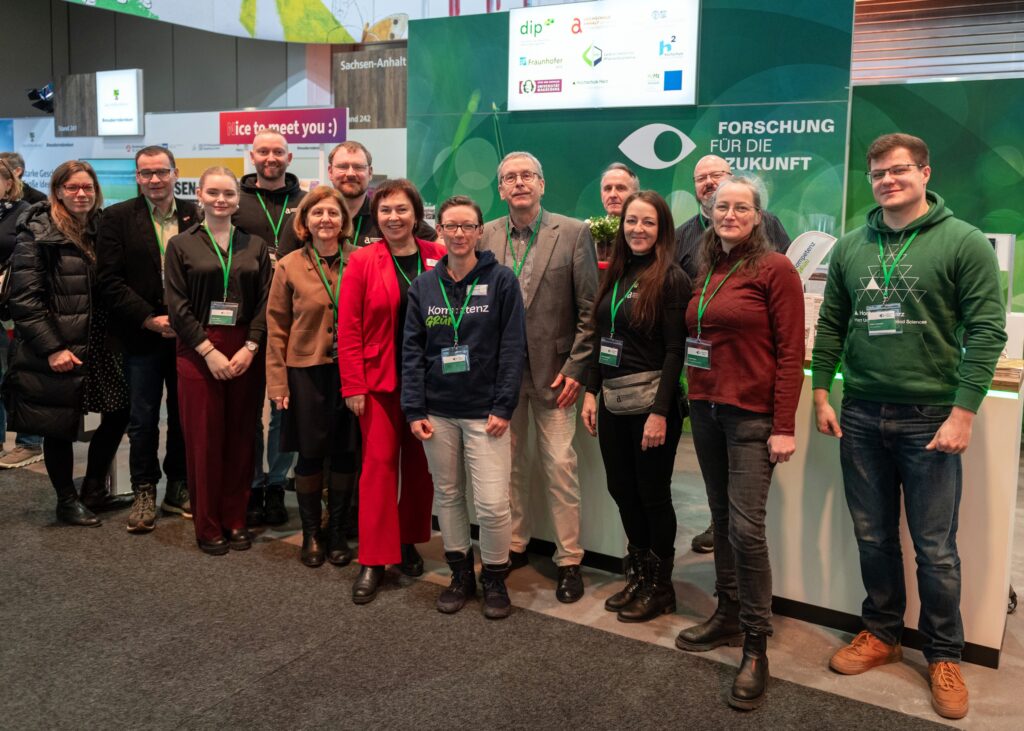
Successful cooperation at the joint stand
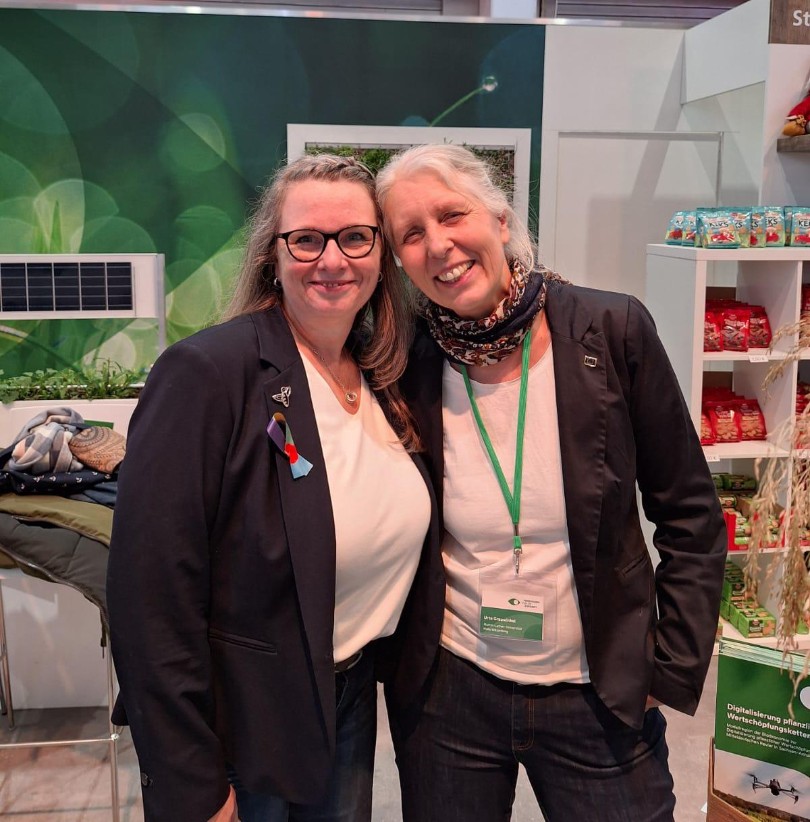
The success of DiP’s presence at the Green Week would not have been possible without the excellent cooperation at the joint stand of Saxony-Anhalt’s universities “Research for the Future”. Our special thanks go to Prof. Dr. Elena Kashtanova and Simone Keim (Anhalt University of Applied Sciences) for the excellent preparation and overall organization as well as for the warm welcome. The joint booth was characterized by a real togetherness and mutual exchange – we are already looking forward to the next joint presence!